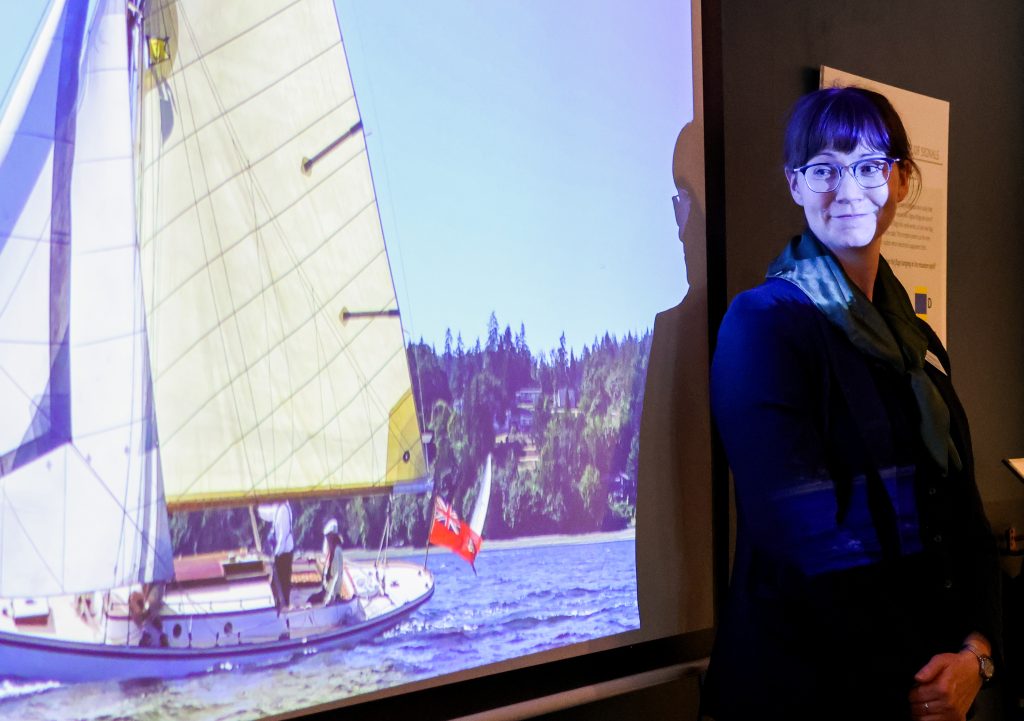
The Western Canada Heritage Vessel Registry (WCHVR) is dedicated to recognizing and preserving historically significant vessels built in Western Canada. The Registry promotes high standards of preservation, raises public awareness of maritime heritage, and supports the sustainable conservation of our floating history. A permanent, publicly accessible record is maintained for each vessel on the Registry.
Please read the Guidelines document below carefully before applying.
the deadline for SUBMITTING applications IS December 31
It is anticipated that approximately 10-15 vessels will be approved to join the Western Canada Heritage Vessel Registry each year; this is limited by the availability of qualified volunteer assessors.
Process
Phase 1 – Application Fee – $50.00 CAD
Phase 2 – Assessment Fee – $150.00 CAD + any direct costs associated with getting to/from the vessel location subject to agreement in advance
Phase 3 – Registration Fee – $125.00 CAD
Please note that application and assessment do not guarantee a spot on the Registry; the process is adjudicated.
Eligibility
To be eligible for application, the vessel must be:
- Built in Canada;
- Currently registered or licensed in British Columbia;
- Currently afloat and in good condition;
- Currently not less than 50 years old since Year Built; and,
- Not less than 6 metres / 20 feet in Length Overall (LOA).
Instructions
To apply and begin the process, please:
- Ensure you meet the eligibility requirements above;
- Review Information for All Applicants to the right; and,
- Complete the Application Form linked above and pay your non-refundable Application Fee.
Contact
Email info@mmbc.bc.ca with any questions for the WCHVR Committee.
Information for all Applicants
Applications will be reviewed by the WCHVR Committee; scheduling of assessments will depend on availability of qualified volunteer assessors. Thank you for your patience.
If an applicant vessel is selected for Phase 2 – Assessment, further documentation on the vessel will be requested. Please refer to the Guidelines document linked above.
Summary of Application, Assessment, and Registration Process
Phase 1 – Application
- Applicants receive an acknowledgment that their application is under review.
- Applicants receive a written notification that their application is approved for Phase 2, or declined.
Phase 2 – Assessment
- An appointed Assessment Team will invite the successful applicant to complete an Assessment Form and arrange a time to view the vessel. Please refer to the Guidelines document linked above.
- The Assessment Team will provide an Assessment Report and Recommendation to the WCHVR Management Committee for each vessel assessed.
- The vessel owner receives a written notification that their assessment is approved for Phase 3, or declined.
Phase 3 – Registration
- A member of the WCHVR Management Committee will invite owners of approved vessels to complete a final Registration Form.
- On final acceptance to the Registry, owners of registered vessels receive: a Statement of Significance, a medallion, and a WCHVR burgee.
The presentation of medallions and burgees is an annual event.
Western Canada Heritage Vessel Registry
2026 Vessels
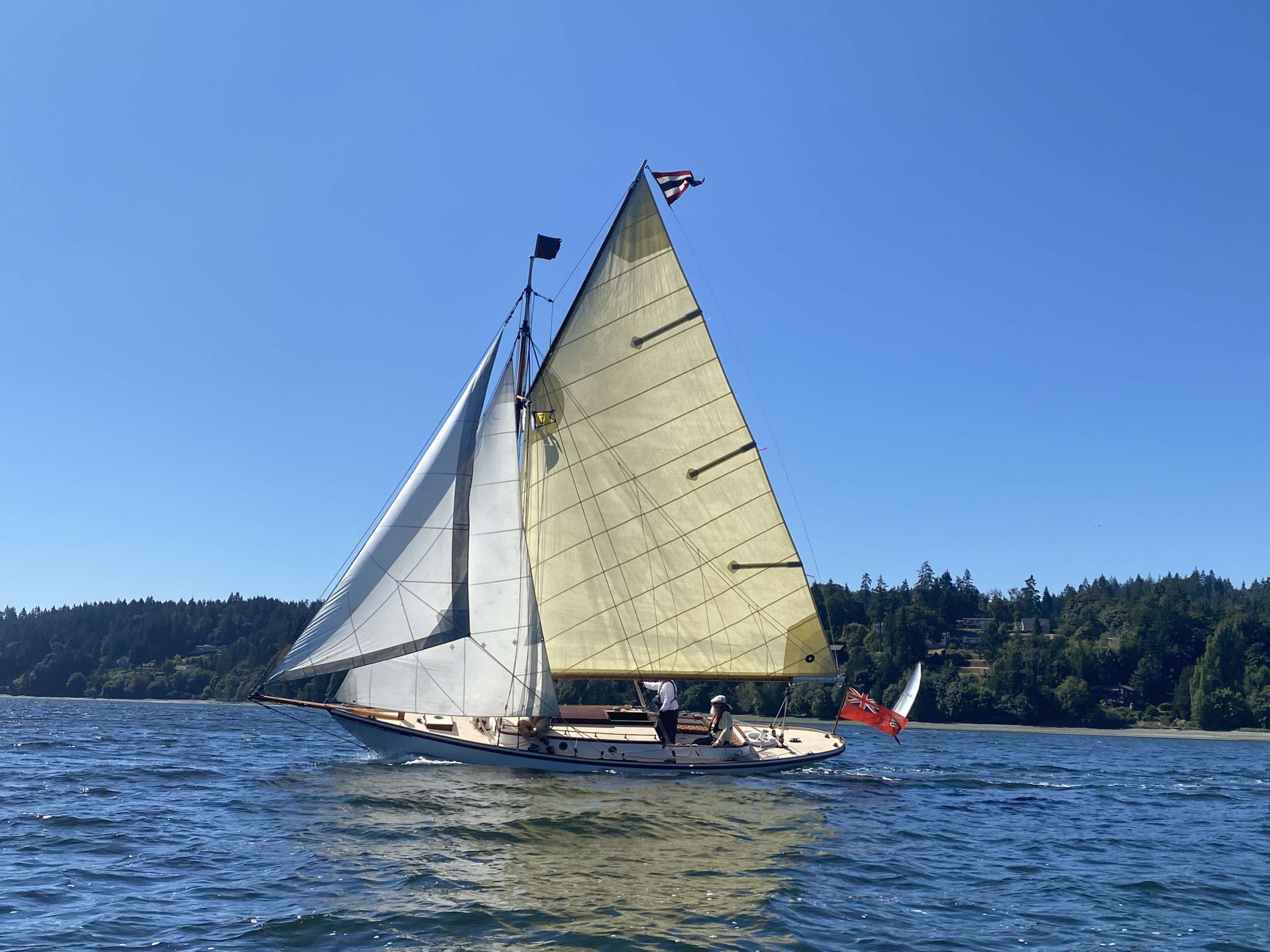
Built in Victoria in 1897 by J.J. Robinson to a design by Linton Hope, Dorothy is reputed to be the oldest active sailing yacht in Canada. Through eleven different owners and ultimately owned by the Maritime Museum of B.C., she embodies the best of BC yacht construction of the late 19th century while creating a window into that period in the city of Victoria and its waterfront.
Visit Nauticapedia
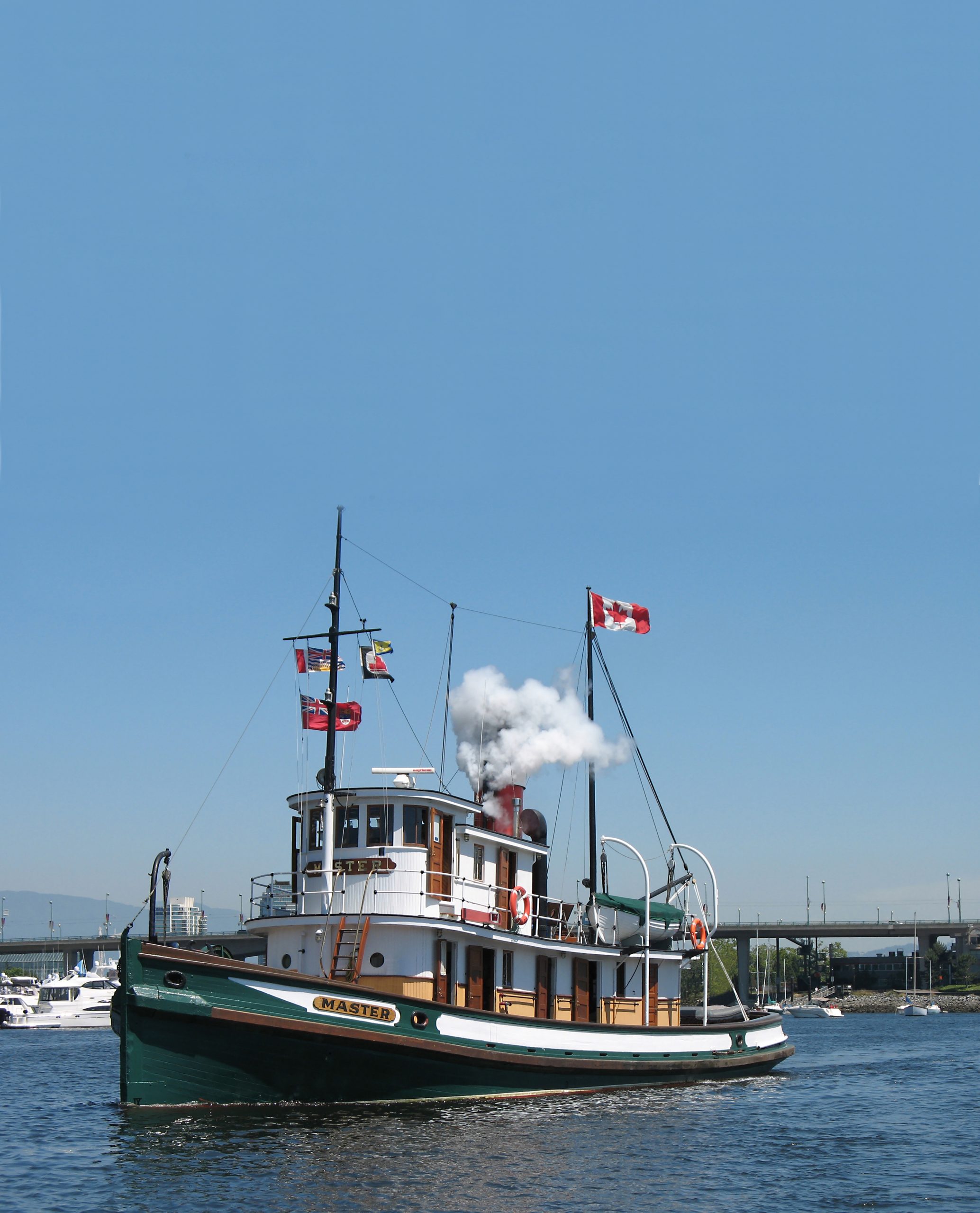
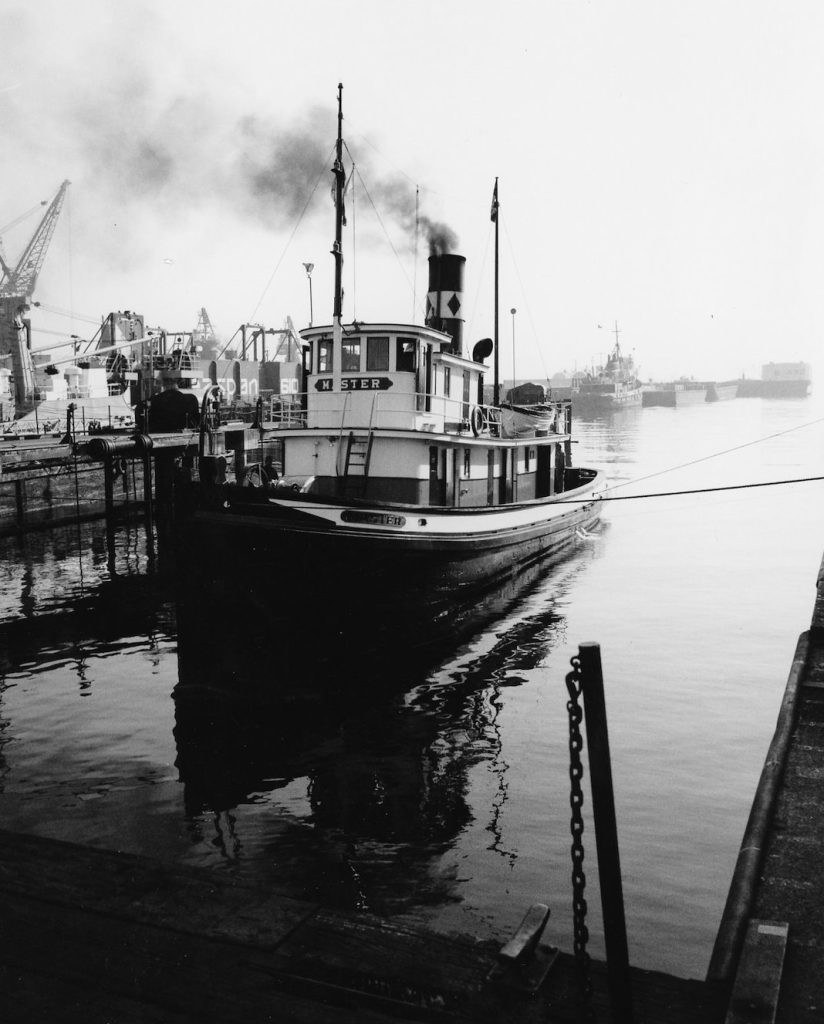
Designed and built in 1922 by the legendary Arthur Moscrop at his Beach Avenue Shipyard Ltd., the steam tug Master served the BC coast towing logs and barges under various owners for over 40 years. Saved and restored by the World Ship Society, later evolving into the SS Master Society, she has been a waterfront fixture for public education ever since. The iconic Master is believed to be the only wooden-hulled, steam powered tugboat afloat in the world today.
Visit Nauticapedia
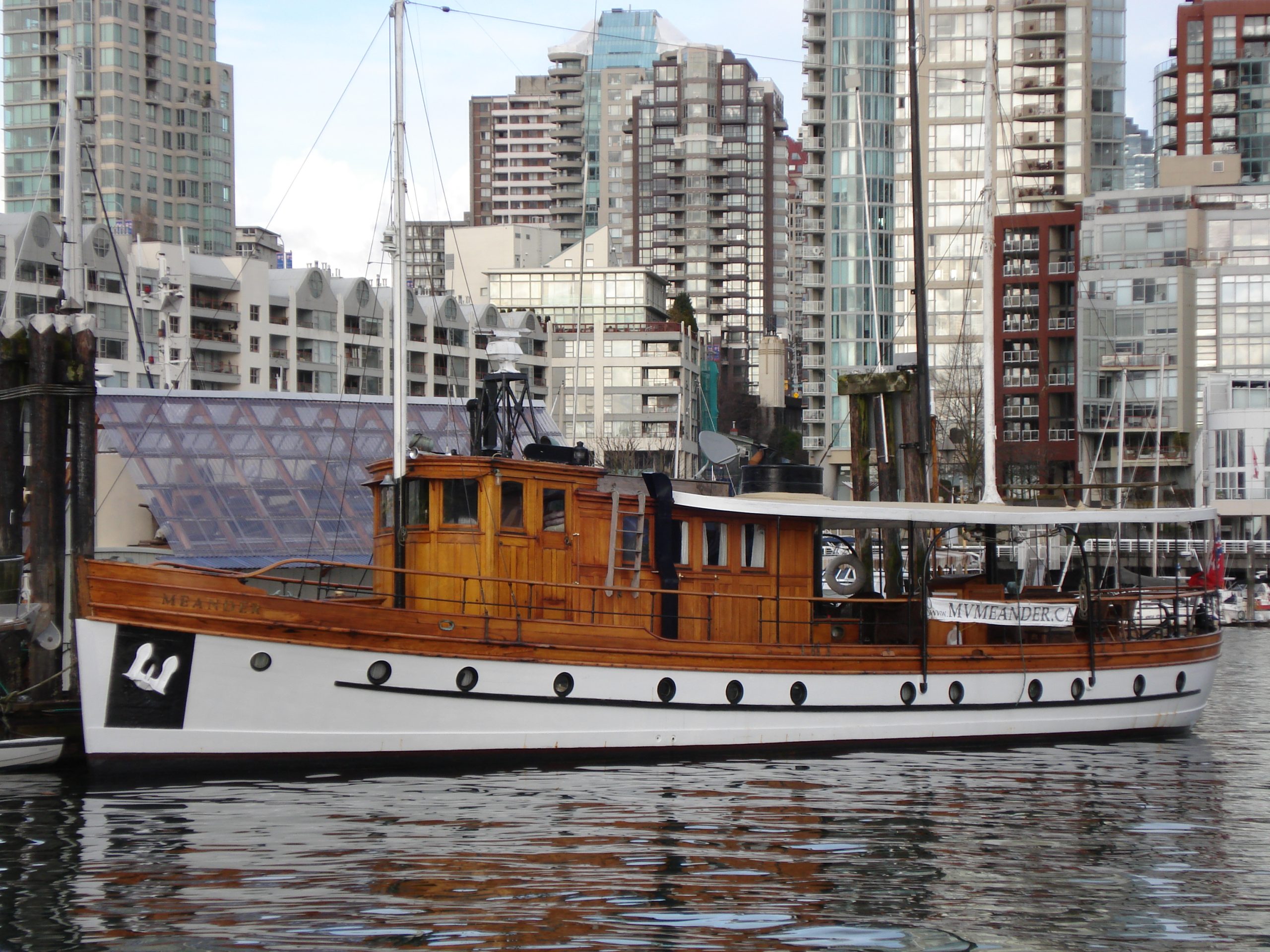
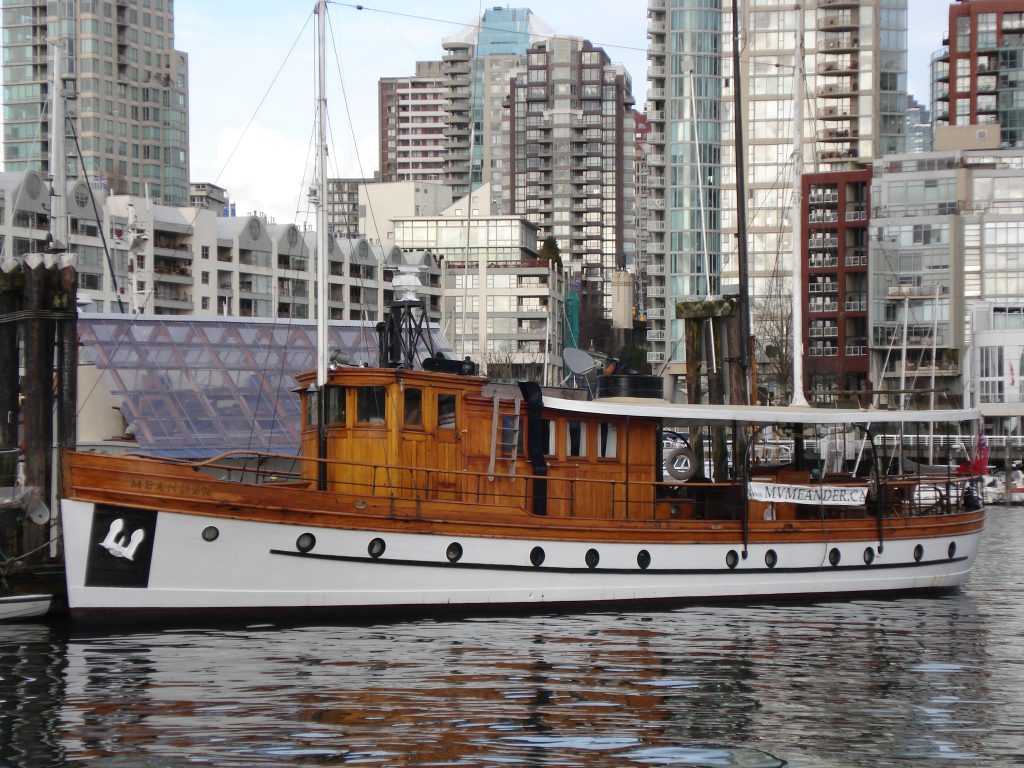
The classic motor yacht Meander was built for a prominent Vancouver businessman in 1934 at W.R. Menchions & Co. Ltd., to a design by Robert Allan. Her colorful career includes sessions as a private yacht, a coast mission vessel, a naval patrol vessel, a Greenpeace protest ship, and a family live-aboard.
Visit Nauticapedia.
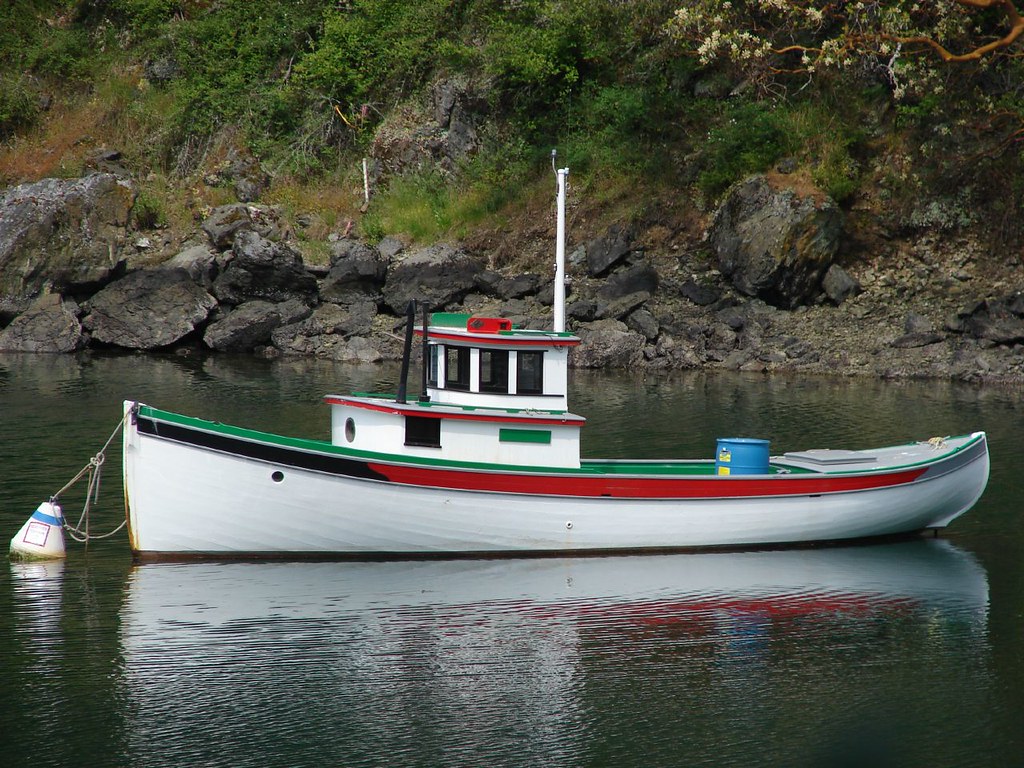
Built in 1939 by Hugh Rodd, Torhavn is an excellent example of a small subsistence fishing vessel, substantially intact and operating. Once prolific on this coast, there are no other known double-ended, live-well boats with an operating Easthope gas engine still afloat in BC.
Visit Nauticapedia.
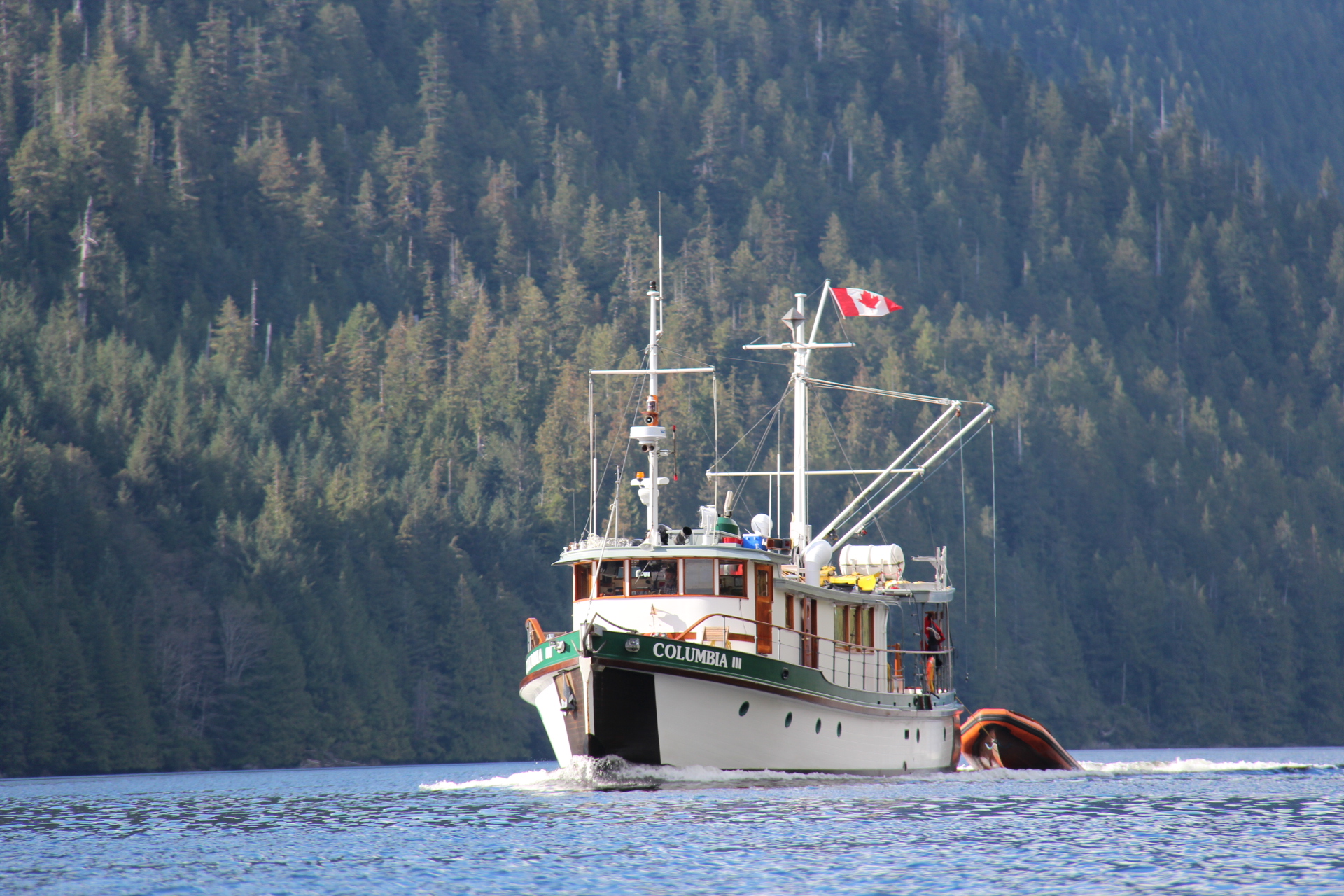
The flagship of the Columbia Coast Mission, this renowned vessel brought hospital, dental and many other community services to the nether regions of the BC coast. Built in 1956 by Star Shipyard (Mercer’s) Ltd to a design by Robert Allan, she served the Mission from 1956 to 1968 before moving into private hands. Today she serves as one of BC’s premier eco-tourism vessels for Mothership Adventures Ltd.
Visit Nauticapedia.
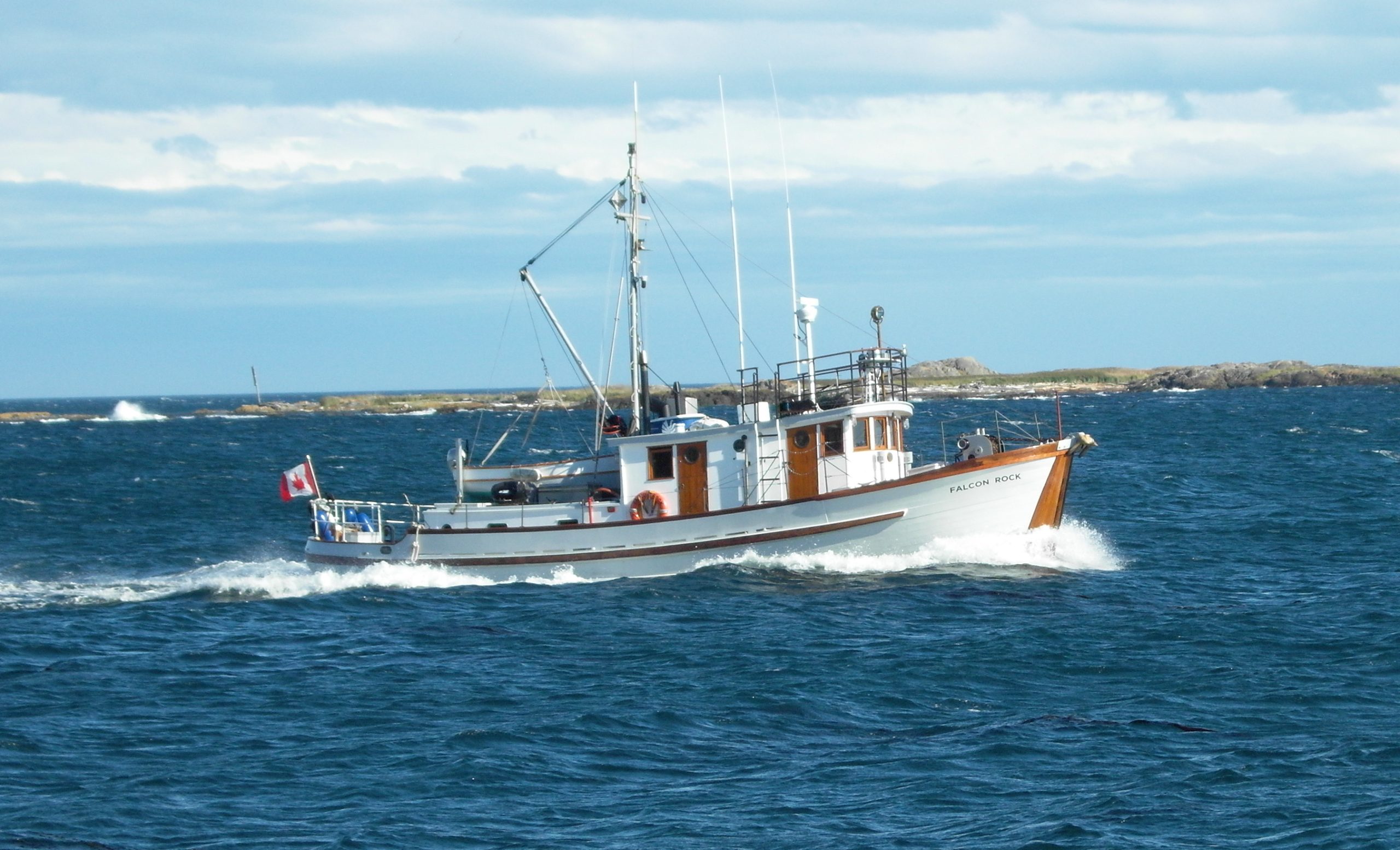
The lead boat of the famed “Rock” class Fishery Protection Vessels, the robust Falcon Rock was built for the federal Department of Fisheries in 1960 by McKay Cormack Ltd of Victoria to a design by W.M. Reid. She was retired and sold into private hands in 1981 and has cruised the coast extensively ever since.
Visit Nauticapedia.
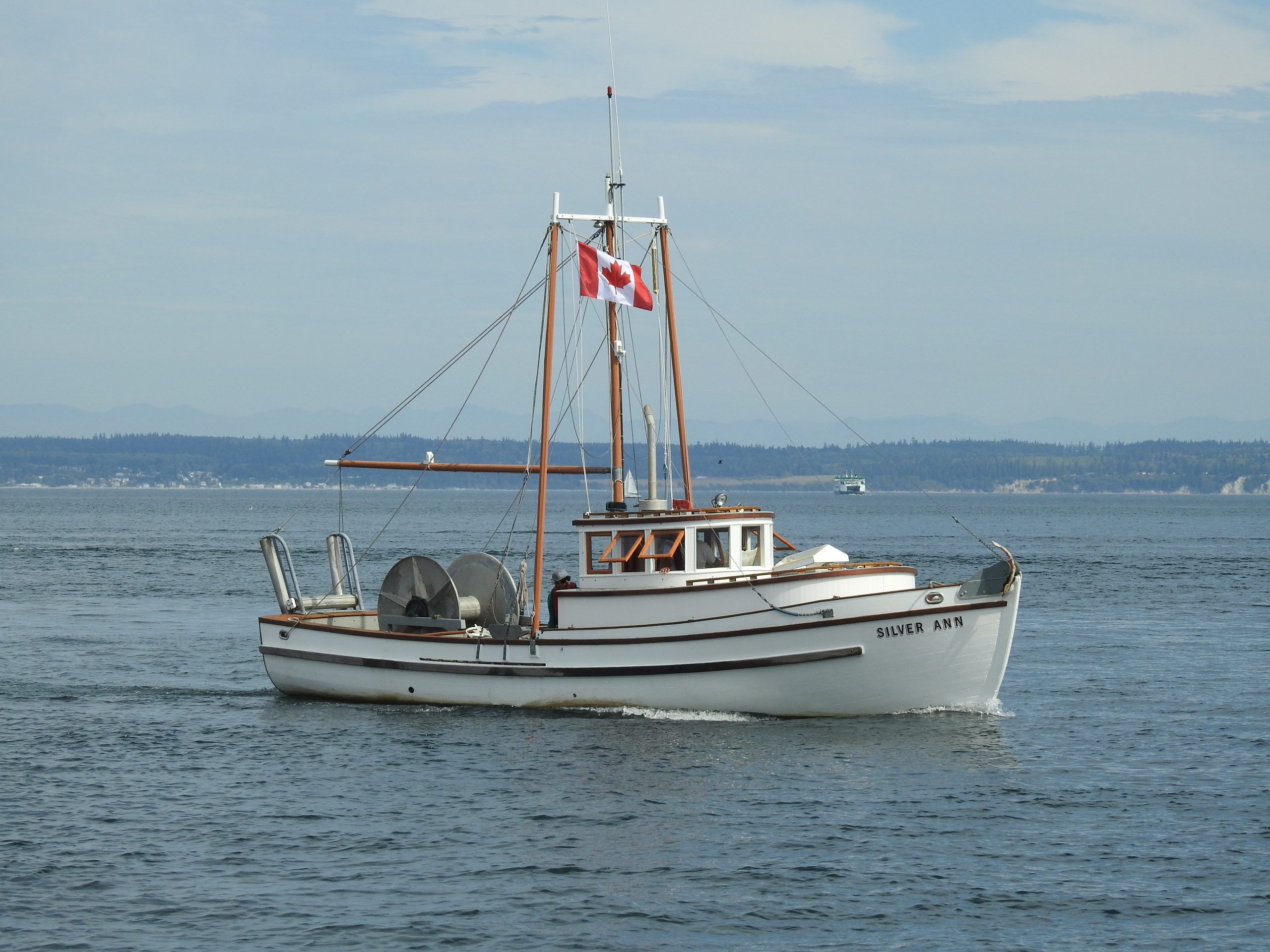
One of the last wooden gillnetters built in British Columbia, Silver Ann was built in 1969 at Britannia Shipyard in Richmond by Sadajiro Asari. The boat showcases Japanese-Canadian wooden construction techniques. The boat and its gear are one of the few existing examples of a pure gillnetter from that era.
Visit Nauticapedia.
Community Supporters
Frequently Asked Questions
Applications for registry in 2026 are by invitation only. Thereafter the application period will be from September 15 to March 31 of each year.
Although we welcome applications from previously recognized vessels, there is no direct carry-over from the old registry to WCHVR. Vessels will be re-evaluated on their current merits and condition.
No. Applications are not carried over automatically; a new application is required.
We encourage re-application once any concerns identified in the initial review have been addressed.
No; at this time only vessels 6 metres or greater in length and not traditionally considered as “small craft” will be eligible for the Western Canada Heritage Vessel Registry.
If the Registry expands its eligibility in the future, the MMBC would announce so publicly.
No. At this time the Registry is only open to vessels built in Canada and registered or licensed in Western Canada.